Introduction
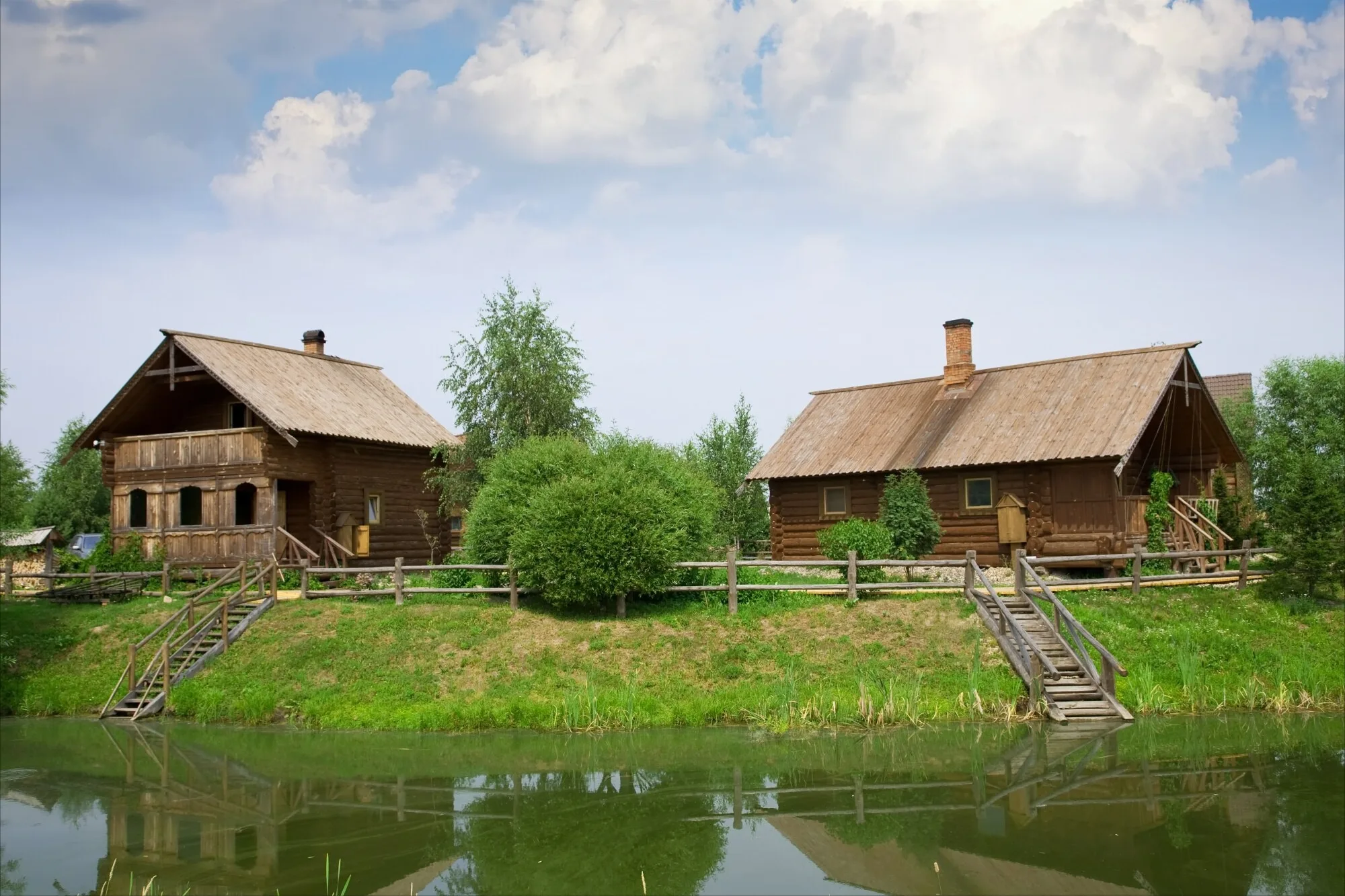
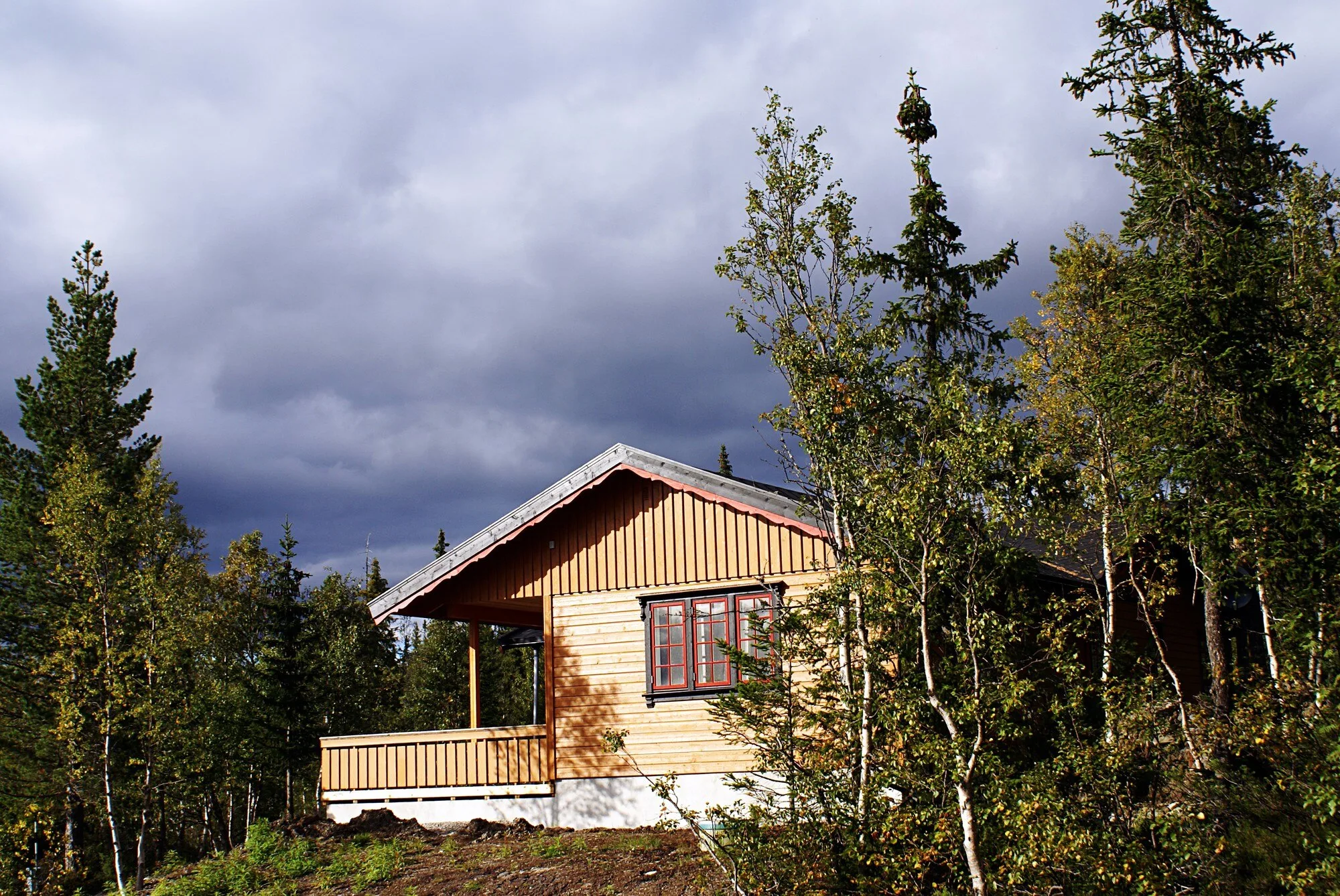
Building a wooden summerhouse or cottage near Moscow is a rewarding project—combining traditional aesthetics, quick assembly and good thermal performance when done right. This guide walks you through the whole process with practical advice for Moscow and the Moscow Region (Московская область): choosing land, permits, structure types, foundations, utilities, heating, interior decoration and landscaping.
1. Before you buy: choosing the right plot
— Zoning and legal status
— Check land category and permitted use: *ИЖС* (individual housing construction) if you plan year-round residence; *СНТ* (садоводческое некоммерческое товарищество) for seasonal gardens/dachas — each has different building rules and limits.
— Verify cadastral data at Rosreestr and get an extract (выписка).
— Location and access
— Road access, year-round availability, public transport distance, proximity to amenities.
— Neighbour density and future development plans.
— Site conditions
— Terrain: slope, vegetation, flood risk.
— Groundwater level and soil type—clays and frost heave are common near Moscow.
— Proximity to gas, electricity, sewer connections.
— Practical checks
— Distance to nearest transformer/power line and gas pipeline.
— Fire safety distances, septic and well positioning relative to neighbors and water bodies.
— Local administration restrictions (max building footprint, height).
2. Permits and legal steps
— Preliminary steps
— Order a topographic survey and a geotechnical (soil) survey—essential for foundation choice.
— Consult local administration about building notification vs permit requirements. Rules vary by municipality and by land category (ИЖС vs СНТ).
— Documentation to prepare
— Cadastral plan, land ownership documents, architectural project, engineering schemes for communications.
— When you need a permit
— For permanent housing on ИЖС: formal project approval and construction notification/permit likely required.
— For many small summerhouses in СНТ: simplified rules exist, but check local bylaws.
— Hire professionals
— Architect or design bureau familiar with local regulations, and a lawyer or cadastral specialist for paperwork.
3. Design and layout (practical tips)
— Orientation: place living rooms and terraces to the south/southwest to maximize daylight.
— Compact thermal envelope: simple shapes reduce heat loss and cost.
— Functional zoning: keep sleeping areas away from noisy roads; place kitchen near water/sewer risers.
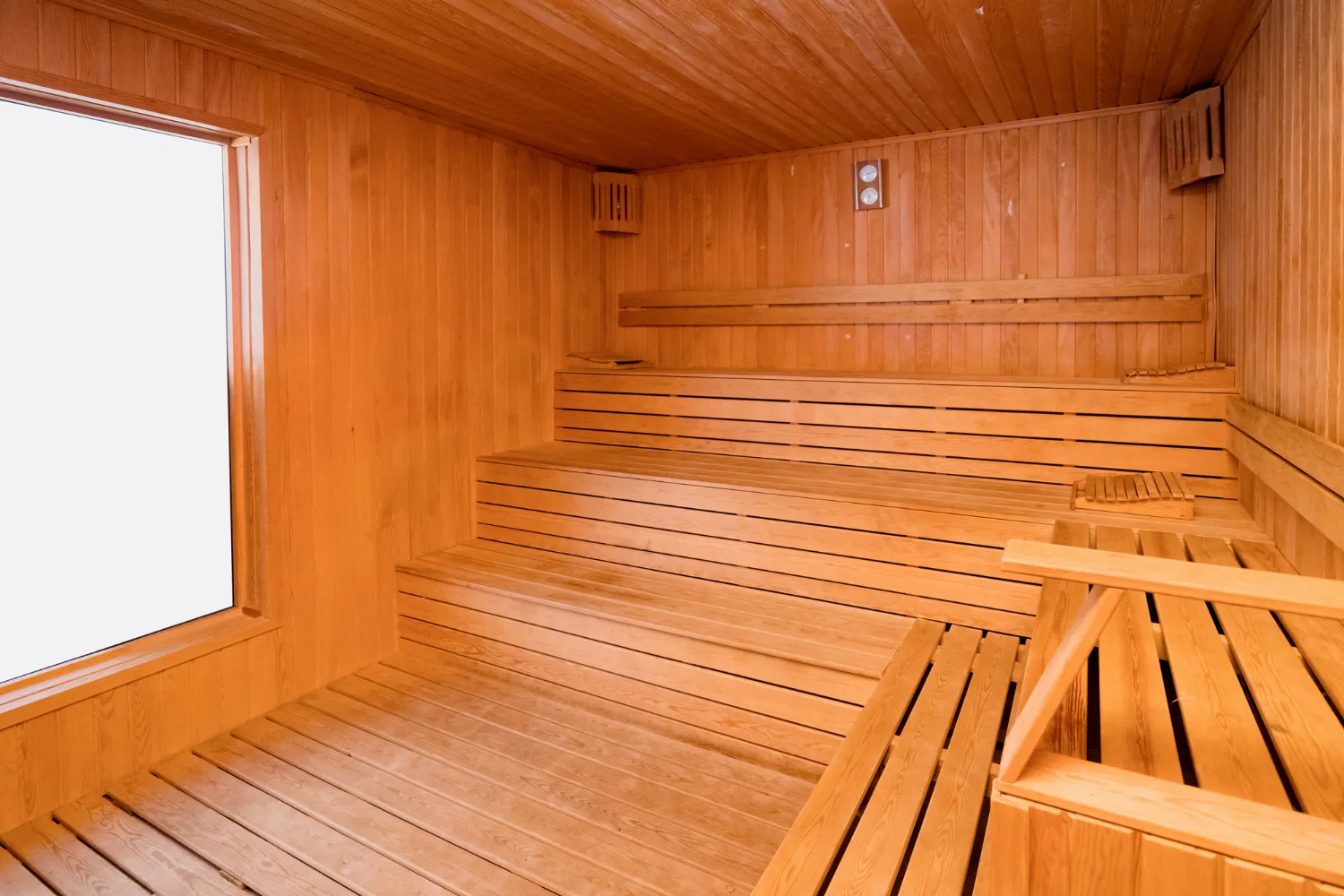
— Banya/sauna planning: separate technical room and proper ventilation; heat and moisture loads must be considered.
— Adapt design to building method (log vs frame vs SIP).
4. Construction methods and materials
— Log houses (бревно / оцилиндрованное бревно)
— Pros: classic look, thermal mass