Introduction
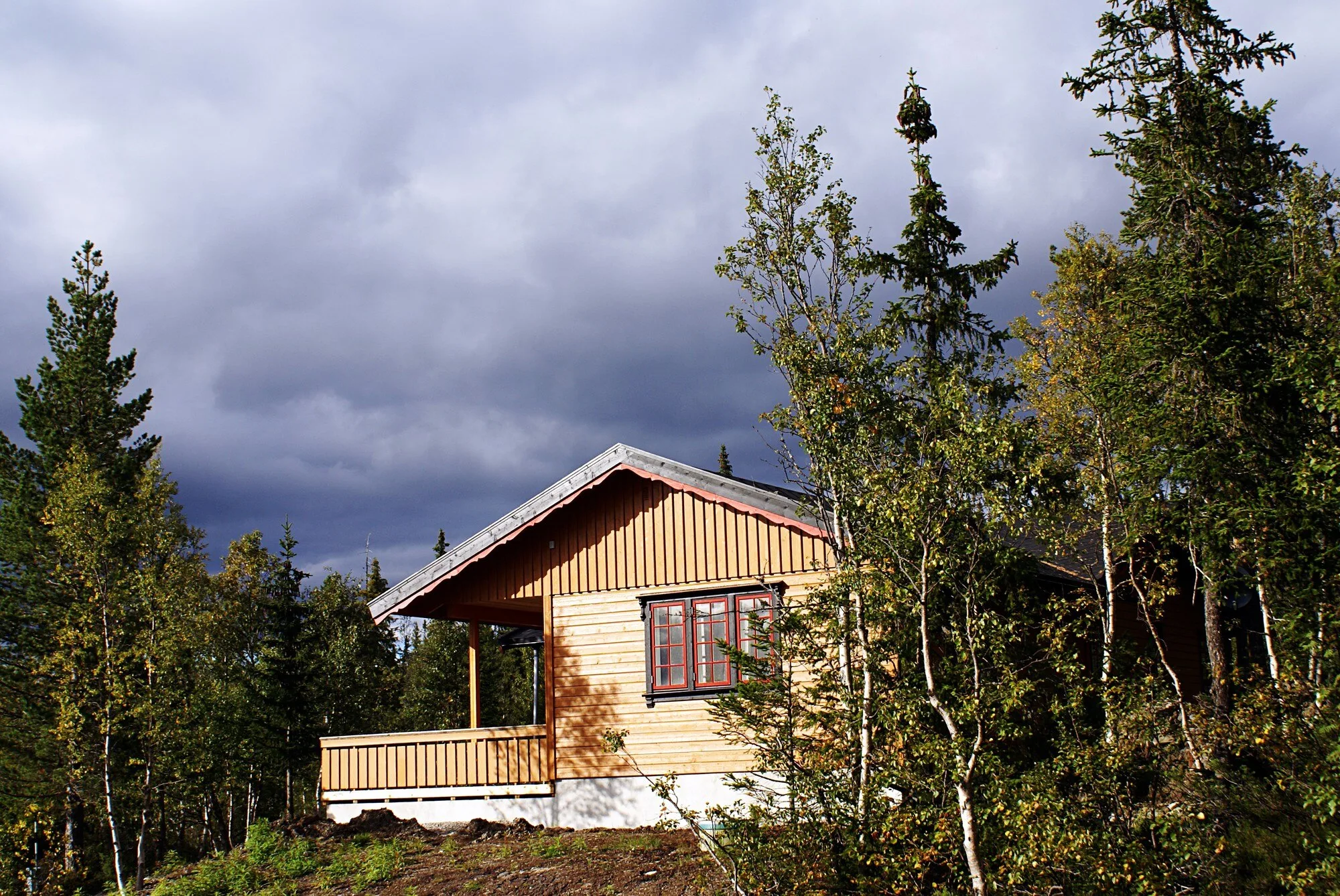
Building a wooden summerhouse or cottage in the Moscow region is an attractive option: wood is warm, ecological, and well suited to the Russian climate. This guide walks you through the full process — choosing land, legal and technical checks, construction decisions, utilities and heating, interior decoration and finishing, plus practical tips specific to Moscow’s climate and regulations.
1. Choosing the Right Plot
— Location and access
— Proximity to Moscow, transport links and commuting time.
— Road access year-round (snow clearance in winter).
— Legal status of the land
— Check ownership, zoning (садоводство, дачное товарищество, ИЖС, СНТ).
— Verify cadastral number and easements in ЕГРН.
— Utilities availability
— Is electricity, gas and water already connected or nearby? Connection costs vary greatly.
— Topography and microclimate
— South-facing slopes get more sun (better for passive solar gain).
— Avoid low-lying flood-prone areas and places with high groundwater.
— Soil and groundwater
— Do a geotechnical (soil) survey — important for foundation design. In Moscow oblast soils and frost heave require foundations below the frost depth.
— Environmental and planning limits
— Proximity to protected forests, rivers, or municipal boundaries can restrict building.
2. Permits, Documentation and Regulations
— Necessary documents
— Cadastral registration (кадастровый паспорт) and land ownership documents.
— Architectural project and technical specifications.
— Permits and notifications
— Rules differ by land category (ИЖС vs СНТ). For full-scale capital construction you usually need a building permit or notification to local authorities — check local urban-planning regulations (градостроительный регламент).
— Connection agreements for gas/electric/water with utility companies.
— Standards and codes
— Follow relevant SNiP/SP regulations and fire, sanitary and energy-efficiency requirements.
— Advice
— Work with a local architect/engineer familiar with Moscow oblast practice and municipal procedures to avoid delays.
3. Choosing Construction Type and Materials
— Construction systems
— Log house (клеёный брус / оцилиндрованное бревно / рубленое): traditional look; different thermal performance.
— Profiled or glued laminated timber (glulam): stable, less shrinkage, precise fitting.
— Frame-on-timber (каркасный дом): faster and cheaper, requires good insulation for year-round use.
— Wood species
— Pine and spruce are common and cost-effective.
— Larch is more durable and rot-resistant (often used for cladding or decking).
— Wall thickness and insulation (Moscow climate)
— For year-round living: aim for solid wall assembly or combined wall + insulation achieving thermal performance suitable for long cold winters.
— Typical guidance: log/beam 200–300 mm plus additional insulation strategies, or frame wall with ≥150–200 mm insulation layers; roof insulation 300–500 mm.
— Windows and doors
— High-quality double- or triple-glazed units with warm frame profiles and low-E coatings.
— Vapor and waterproofing
— Use correct vapor barriers and breathable membranes to avoid moisture issues inside wooden structures.
4. Foundations and Structural Considerations
— Foundation types
— Strip (армированный монолит), pile (свая) or screw piles — selection depends on soil and frost depth. In Moscow region consider frost heave and ensure foundation is designed accordingly (depth often >1.2–1.6 m depending on local data).
— Screw piles are popular for frame and lightweight wooden houses on uneven terrain.
— Roof
— Steep roof pitches help snow shedding; choose durable roofing (metal, tile).
— Ensure proper eaves, ventilation of roof space, and snow guards where needed.
— Seismic and wind loads
— Design to local loads; wood is forgiving but connections and anchors must be calculated professionally.
5. Utilities: Heating, Water, Sewage, Electricity
— Heating
— Gas central or individual gas boiler: common and economical where