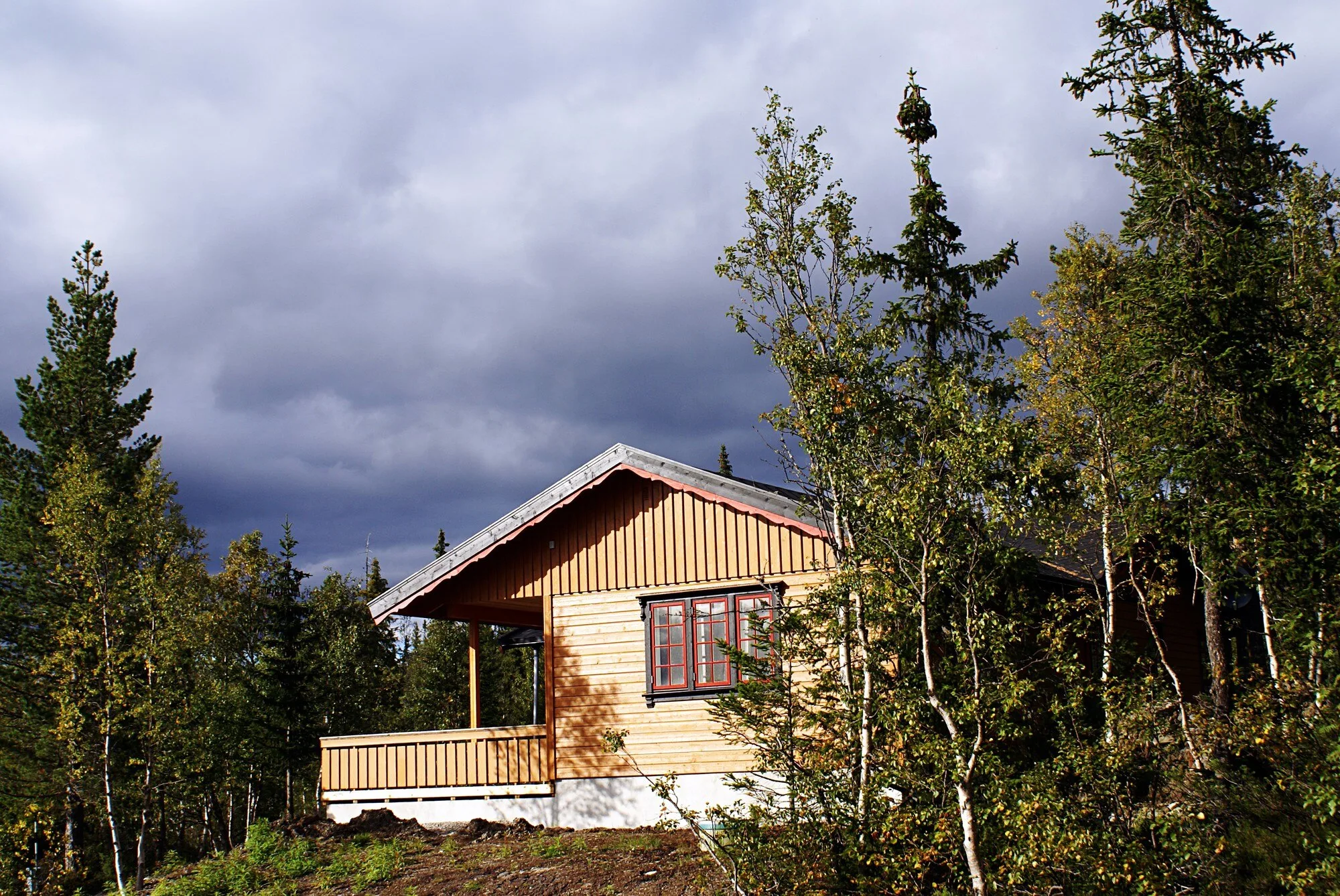
Overview
Building a wooden summerhouse or cottage in the Moscow region is attractive for its natural look, fast construction and excellent thermal performance when done correctly. Climate-specific considerations (long, cold winters, spring thaw and snow loads), local land categories and utility connections are the keys to success. Below is a practical, step-by-step guide from choosing the plot to finishing the interior.
1. Choose the right land
— Land category and status:
— *IZHS* (individual housing construction) — best for year-round homes and official utility connections.
— *SNT/Dacha* — suitable for seasonal use; connections and legal status vary.
— Always check cadastral registration and easements.
— Location factors:
— Road access and distance to Moscow (commute, service availability).
— Proximity to neighbors and boundary setbacks required by local rules.
— Orientation (south-facing façade gives more sunlight).
— Site characteristics:
— Topography, groundwater level and drainage.
— Vegetation and wind exposure (trees can be windbreaks but root systems affect foundations).
— Soil type — request geotechnical survey for bearing capacity and frost-susceptibility.
— Practical tip: prefer plots with existing utility runs nearby to reduce connection costs.
2. Permits, paperwork and surveys
— Required checks:
— Cadastral parcel, land-use restrictions, and permitted construction type.
— Local building permit or notification procedures — *verify with local administration* (rules differ by locality).
— Surveys to order:
— Geotechnical (soil) survey for foundation design.
— Topographic plan for drainage and positioning.
— Utility connection paperwork:
— Electricity connection agreement, gas project (if available), water abstraction permits (wells), and septic permits/soil percolation test.
3. Design and choice of construction system
— Typical wooden construction options:
— Profiled log / rounded log — traditional look, good thermal mass, requires shrinkage allowance.
— Glued laminated timber (glulam) — stable, precise, lower shrinkage, modern finish.
— Timber frame with insulated panels (SIP or framed + mineral wool) — fast, highly insulated.
— Roof and snow loads: design for Moscow-region snow load; steep roofs shed snow better.
— Windows: double- or triple-glazed windows (triple recommended for deep cold), quality sealing and frames with good thermal break.
— Passive/energy-efficient features: airtight envelope, continuous insulation, and mechanical ventilation with heat recovery (MVHR) for comfort and low heating costs.
4. Foundation choices (consider frost heave)
— Common foundations for wooden houses:
— Pile (screw piles) — cost-effective for light wooden houses and unstable or wet soils; reduces frost heave risk.
— Shallow strip or isolated footings — for stable soils and properly deepened below frost line.
— Monolithic slab — good for even settlement and underfloor heating, heavier and costlier.
— Moscow frost depth: approximately 1.4–1.6 m in the region — foundation design must account for local frost depth and soil conditions.
5. Utilities and services
— Water:
— Municipal supply (if available) or well (borehole) — test water quality and ensure pump sizing.
— Winterization for seasonal use (insulate pipes, looped systems).
— Sewage:
— Sept